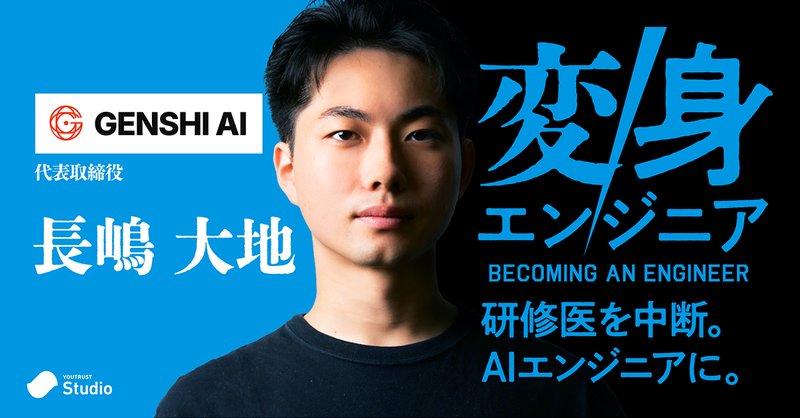
Image, speech, language — I train the models, ship them as products, and take them to the floor. Medicine is the deepest place to apply them.


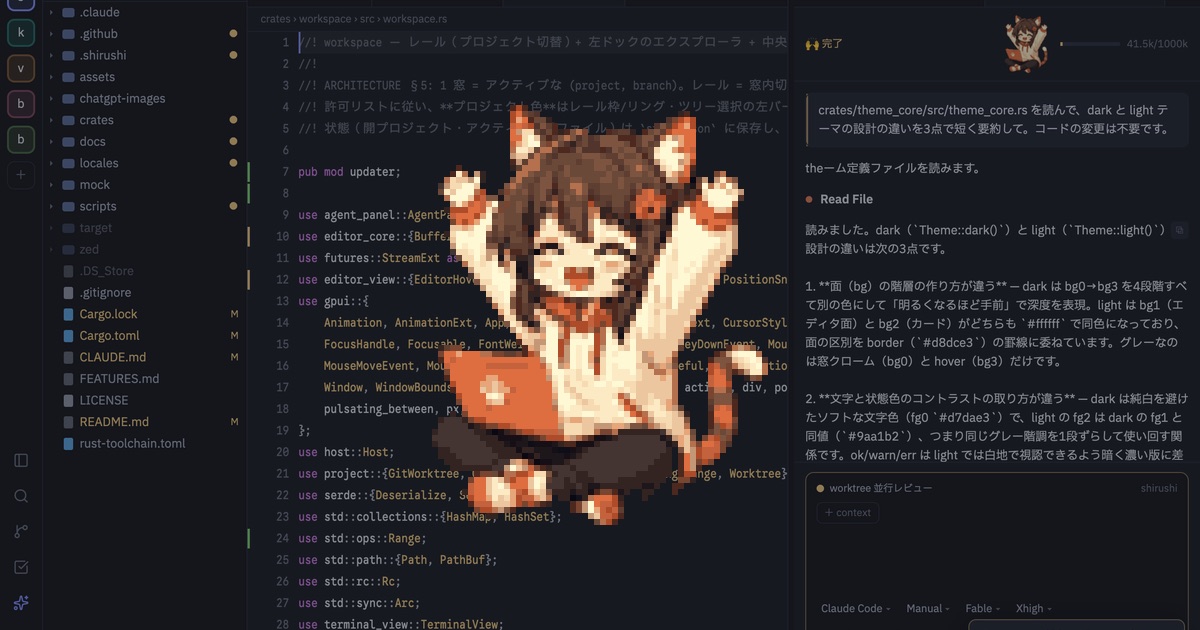
A code editor for the AI agent era. Once several agents run at once you lose track of which AI is on which branch; a color-coded UI and destination chips make that visible, and Fleet mode ties them together. ACP-compatible agents run on the subscription you already have. Fully native Rust + GPUI — necoder is written in necoder.

Designed and trained from acoustic model to vocoder. One of only a few teams in Japan doing this from scratch — led as the main developer of a four-person team.

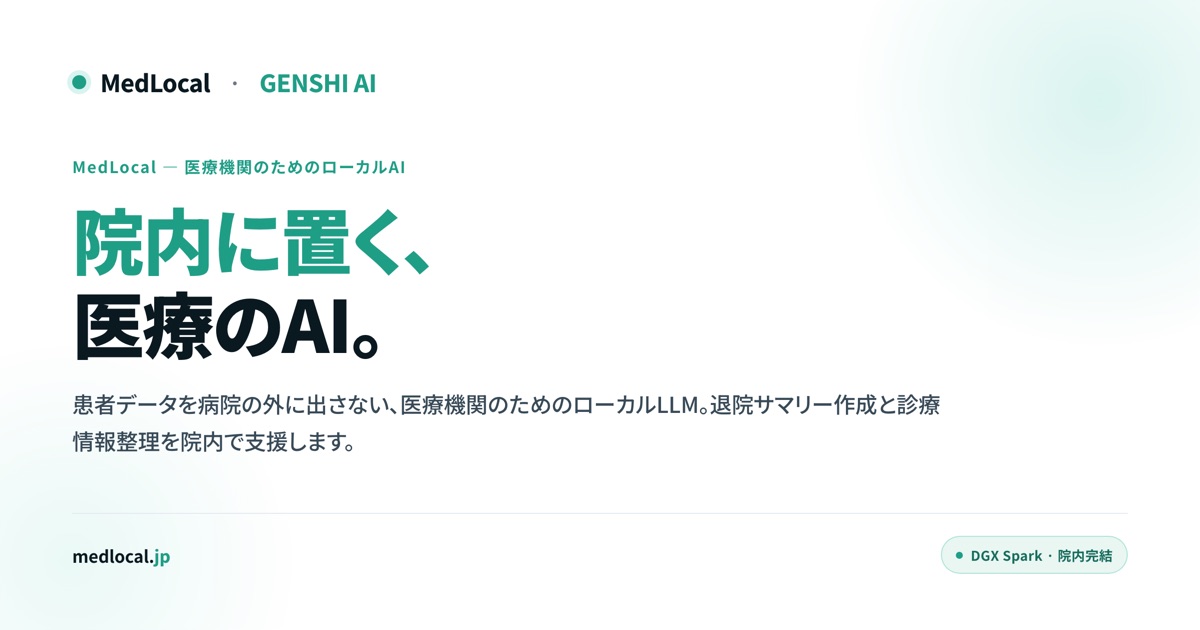
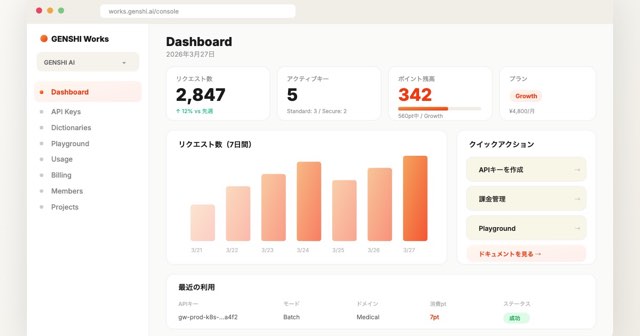
A medical LLM you place inside the hospital. Auto-drafted discharge summaries, AI voice charting, referral-letter OCR. Patient data never leaves the building.

Speech recognition that's strong on jargon, with AI post-processing that turns garbled medical terms back into the real thing.

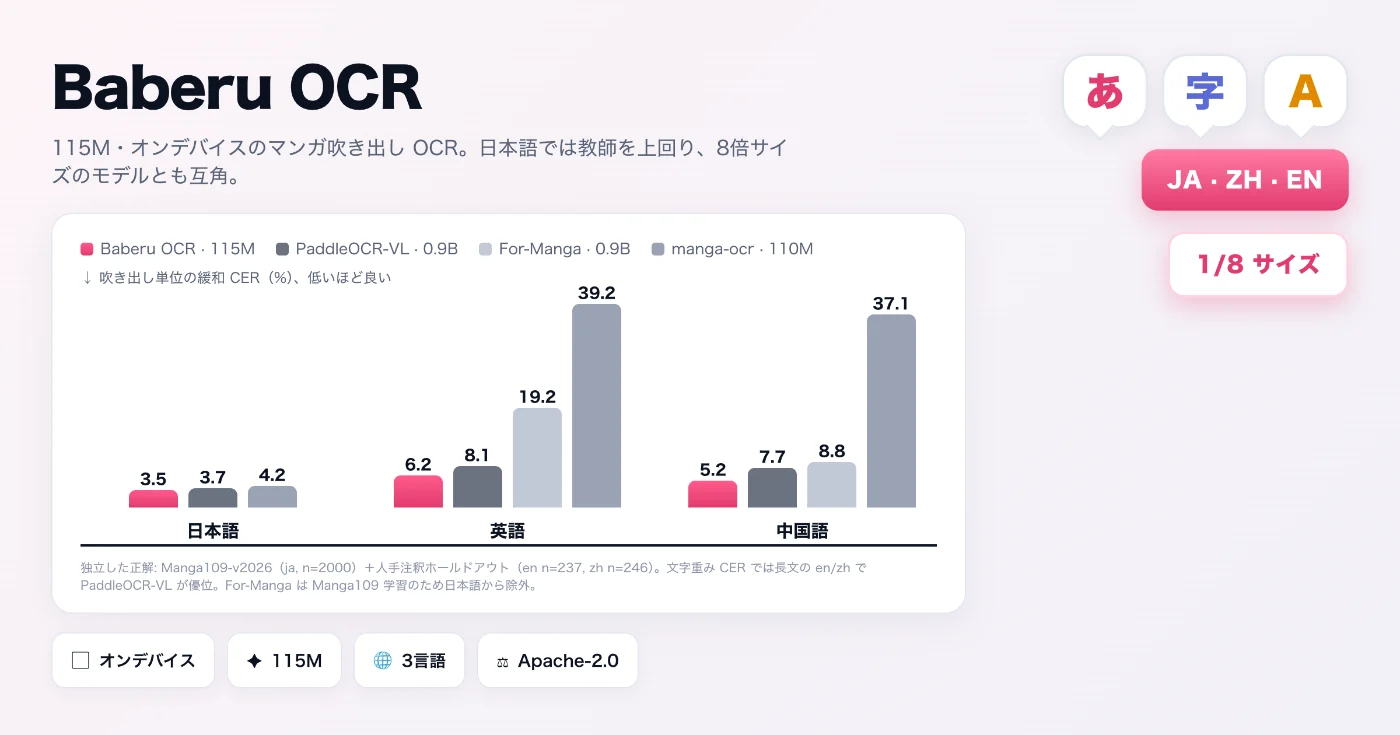
A 115M-parameter manga OCR in Japanese, Chinese and English. Three days on a single A100 — and it beat its distillation teacher on every metric.


A one-time-purchase app that shrinks images up to 90%. I implemented PNG and PDF compression myself in Rust, beating commercial tools.

A Claude Skill that turns AI-written Japanese back into human writing — analysis included: the real cause of "AI smell" is the writer's absence.

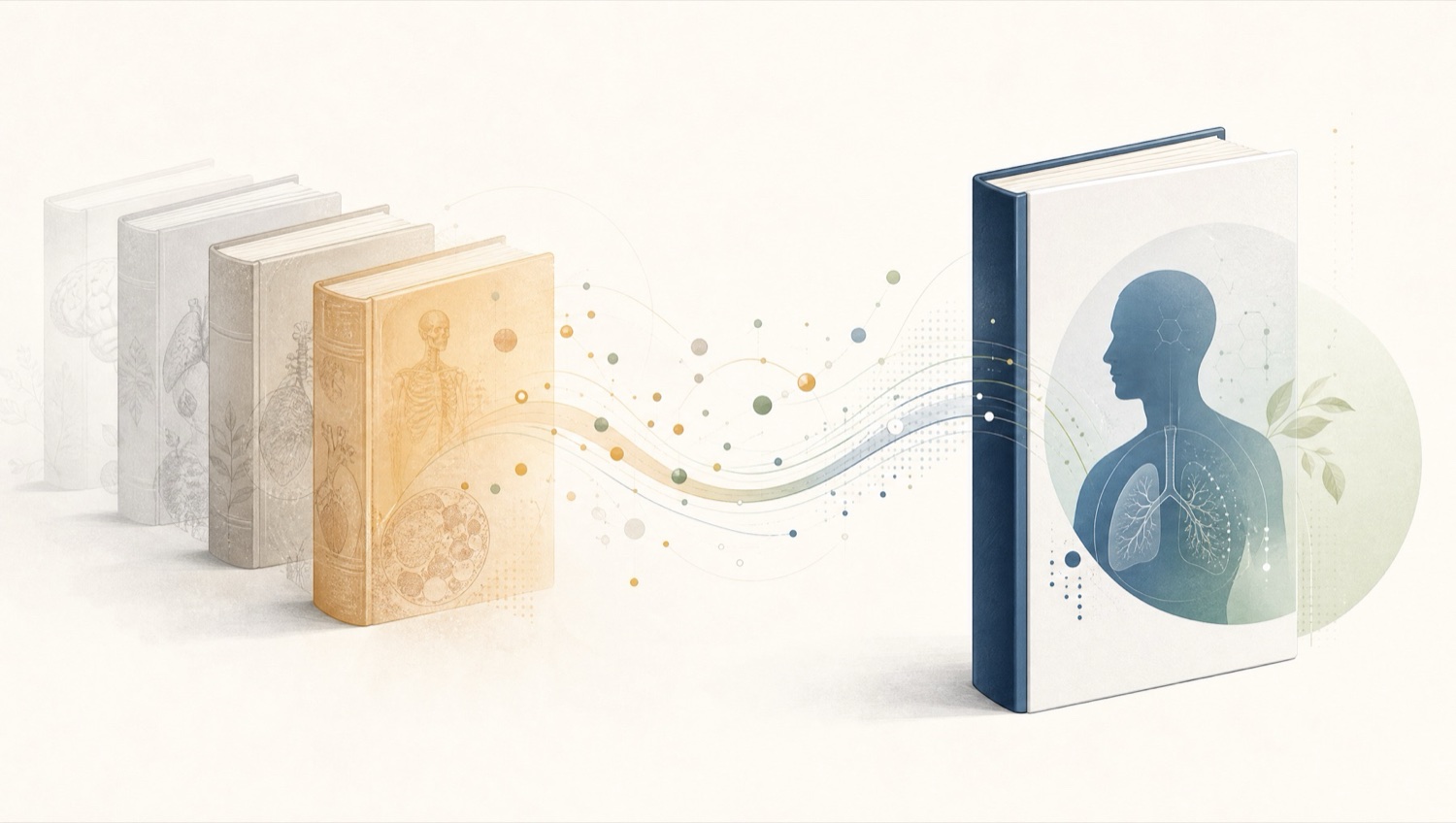
Traced revisions across ~200 Japanese clinical guidelines (2010–2024): 46,705 old/new pairs showing how the answer changed, each with its old and new source. Explore real examples in the live demo.


Passed the 116th exam. Became a resident in Beppu, Oita. Met Stable Diffusion that autumn.
My own image-generation model got noticed. I left residency and became an AI engineer.
Director & CTO at Livetoon. Led a from-scratch Japanese TTS. Concurrent with UTokyo Hospital.
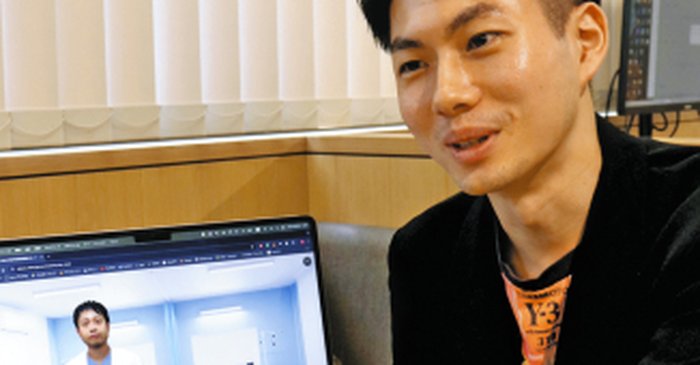
Spoke at an NVIDIA-hosted webinar. Chunichi Shimbun: "From doctor to AI engineer."
Founded GENSHI AI as CEO. Selected by AMED. Putting medical AI into the field.